How to Transfer Ownership of a Vehicle in Pakistan (Car/Bike Transfer)
Transfer a car or bike legally in Pakistan. Understand the forms, documents & fees required at the Excise & Taxation office & get your smart
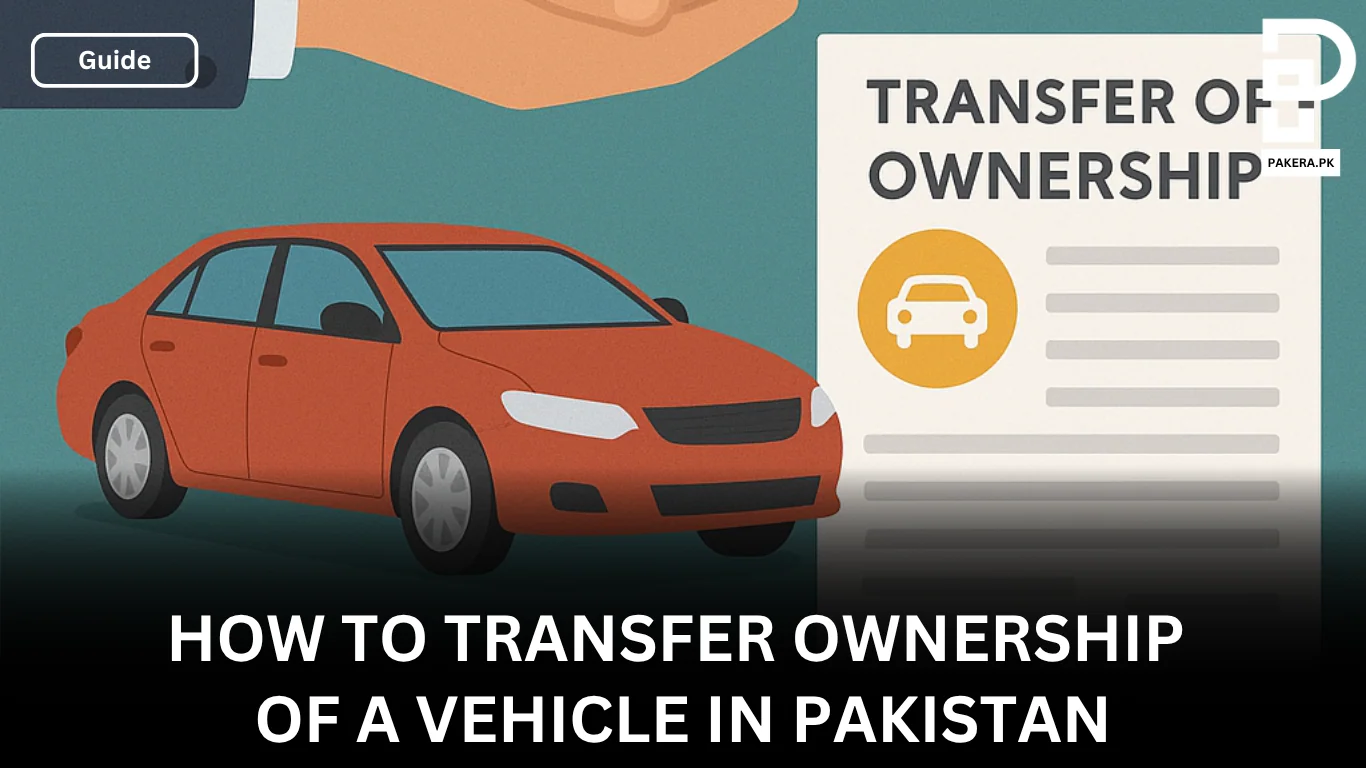
Selling or buying a used car or motorcycle is common in Pakistan, but failing to transfer ownership legally can result in fines or legal disputes. The law requires the new owner to register the vehicle in their name so that traffic challans, taxes and liabilities are correctly assigned. Completing the process protects both parties and ensures the buyer.
Quick Steps
- Obtain Form F (transfer of ownership) and, if required, Form T from your provincial Excise & Taxation department.
- Gather documents: original registration book/card, sales agreement, NOC (if financed), token tax receipts and CNIC copies of buyer and seller.
- Pay the transfer fee and taxes at a designated bank.
- Submit forms and documents at the Excise office; undergo vehicle inspection if required.
- Collect the new smart registration card showing the buyer’s name.
Why Transfer Vehicle Ownership in Pakistan?
Transferring ownership ensures that legal responsibility for the vehicle shifts from seller to buyer. If you don’t transfer, you may continue receiving challans, tax notices or be held liable for accidents. For the buyer, having the vehicle registered in your name allows you to sell it later, claim insurance and travel legally across provincial borders.
Detailed Instructions for Vehicle Ownership Transfer in Pakistan
- Draft a sale agreement on stamp paper detailing vehicle make, model, engine and chassis numbers, sale price, date and signatures of buyer and seller.
- Download or collect Form F from the Excise website or office. In some provinces you can apply online through the MTMIS portal.
- Prepare documents: original registration book/card or smart card, CNIC copies, sale deed, token tax receipts, vehicle inspection report (if required) and NOC from the bank if the vehicle was financed.
- Pay fees and taxes: deposit the transfer fee and any outstanding taxes at the bank using the generated challan or PSID. Keep the receipt.
- Visit the Excise office: both buyer and seller should appear for biometric verification. Submit the forms and documents. The officer verifies signatures and vehicle details. In some regions, a physical inspection is necessary.
- Receive new registration card: after processing (usually within a week), collect the new smart card with the buyer’s name. Keep photocopies of all documents for your records.
Frequently Asked Questions
Is biometric verification mandatory?
Can I transfer ownership online?
What if there are unpaid fines?
Do I need a No‑Objection Certificate (NOC)?
How long does the process take?
About the author

Author
Shahid joined us in 2024 as an author. He is a senior contributor to Pakistan's leading technology websites. He writes detailed articles, mostly covering his expertise in the latest tech, mobiles, apps, gadgets, and step-by-step guides. His ideology is to help people understand the latest trends and explain complex methods through very easy-to-understand guides.